
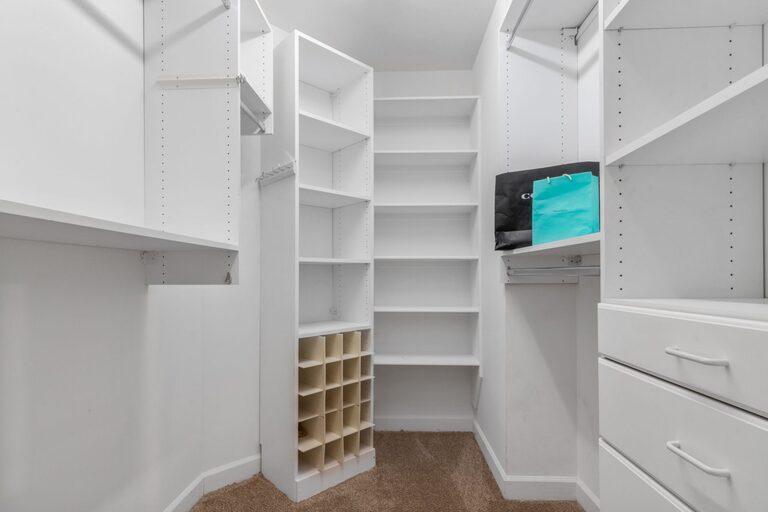
A tidy closet can make busy mornings easier, protect your clothing, and help you get more use from the items you already own. The key is not to create a perfect display that takes hours to maintain. Instead, build a simple system that matches your habits and makes it easy to put things away.
With a thoughtful setup and a few regular routines, your closet can stay organized long after cleaning day. Use these practical tips to create a space that is useful, easy to manage, and suited to your wardrobe.
Start by Emptying the Closet
Before organizing, take everything out of the closet. This gives you a clear view of the available space and prevents you from arranging items you no longer wear.
Place clothing, shoes, bags, and accessories in separate groups. You may be surprised by how many similar items you own or how much space is taken up by things that no longer fit your lifestyle.
As you sort, ask yourself:
- Have I worn this in the past year?
- Does it fit comfortably?
- Is it in good condition?
- Would I choose to buy it today?
- Do I have another item that serves the same purpose?
Set aside items to keep, donate, repair, recycle, or discard. Be honest but practical. If something needs a repair, decide whether you will realistically arrange it soon. Keeping a damaged item indefinitely only adds clutter.
Group Similar Items Together
Once you have chosen what to keep, group similar items. A closet is easier to use when everything has a logical home.
You might arrange clothing by category, such as:
- Shirts and blouses
- Pants and jeans
- Dresses and skirts
- Sweaters and jackets
- Workout clothing
- Seasonal items
Within each category, you can organize by color, length, or frequency of use. Choose the method that feels most natural. For example, arranging clothing by category and then by color can make it easy to find a specific item without searching through the entire closet.
Avoid creating a system that is too complicated. The best arrangement is one you can follow quickly when putting clothes away.
Make the Most of Closet Space
Use the closet’s vertical space instead of relying only on the main hanging rod. A few simple additions can make a large difference.
Consider using:
- Stackable shelves for folded clothing
- Hanging organizers for sweaters or accessories
- Hooks for belts, scarves, or bags
- Small bins for seasonal items
- Shoe racks or clear shoe boxes
- Drawer dividers for smaller accessories
If your closet has a high shelf, reserve it for items you do not use every day, such as travel bags, winter accessories, or special-occasion clothing. Keep everyday pieces within easy reach.
You can also use the back of the closet door for slim storage. Over-the-door organizers are helpful for shoes, hair accessories, small bags, and other items that often become scattered.
Choose Hangers Carefully
Using matching hangers can make a closet look more orderly, but consistency is more important than appearance. Choose hangers that support the type of clothing you own and do not take up unnecessary space.
Slim hangers work well when you need to maximize hanging room. Sturdy hangers are better for jackets, coats, and heavier clothing. Use clip hangers for skirts or pants, and padded hangers for delicate items that may slip.
Try not to pack the hanging rod too tightly. Leave enough space between groups of clothing so you can remove and replace items without creating a mess. If the closet feels crowded, it may be time to review your wardrobe again.
Store Folded Clothing Properly
Not every item needs to be hung. Many sweaters, T-shirts, sweatshirts, and stretchy garments are better folded to help them keep their shape.
Fold clothing into neat, similar-sized stacks. If a stack becomes too tall, divide it into smaller groups. Tall piles tend to fall over and make it difficult to reach items at the bottom.
For drawers, try folding clothing vertically so each item is visible from above. This method can reduce digging and help you remember what you own. Use drawer dividers when smaller items, such as socks or accessories, tend to mix together.
Avoid storing heavy items on top of lightweight clothing. Place sturdy garments on lower shelves and lighter pieces higher up when possible.
Create Zones for Different Needs
Organizing your closet into zones makes it easier to maintain. Place the items you use most often in the most accessible areas.
For example:
- Keep everyday clothing at eye level.
- Place work or school outfits together if you use them regularly.
- Store special-occasion clothing in a less convenient section.
- Keep shoes near the floor or on a dedicated rack.
- Store seasonal items on high shelves or in labeled bins.
If more than one person uses the closet, give each person a specific section. Clearly defined areas help prevent clothing from becoming mixed together.
Use Labels and Simple Containers
Labels are especially helpful for shelves, bins, and storage areas that are not used every day. A label can remind you where items belong and make it easier for other household members to put things away.
Use containers that suit the space. Clear boxes are useful when you want to see the contents, while fabric bins can create a softer look. Avoid buying many containers before sorting your belongings. Otherwise, storage boxes may simply give clutter a new place to hide.
Choose a few broad categories rather than labels that are too specific. For example, “winter accessories” may be more useful than separate bins for hats, gloves, and scarves unless you have a large collection.
Keep a Donation Bag Nearby
Closet organization works best as an ongoing process. Keep a small bag or box nearby for items you no longer use. When you find something that no longer fits, has become uncomfortable, or does not suit your current style, place it in the bag instead of returning it to the closet.
When the bag is full, review the contents once more and then donate or recycle the items through appropriate local services. This simple habit prevents unwanted clothing from building up again.
Adopt a Five-Minute Reset
A short daily or weekly reset can keep your closet from becoming overwhelming. Set aside five minutes to return clothing to its proper place, match shoes, fold loose items, and remove anything that does not belong.
You can also follow a few simple rules:
- Put clean clothing away as soon as possible.
- Place worn clothing in a hamper or designated airing area.
- Return accessories after using them.
- Hang items neatly instead of dropping them on a chair or floor.
- Use the one-in, one-out rule when your closet is full.
The one-in, one-out rule means that when you add a new item, you remove one similar item. This keeps your wardrobe from growing beyond the space you have available.
Review the Closet Each Season
At the start of each season, review your clothing and storage setup. Move weather-appropriate pieces to the front and store items you will not need for several months.
Before storing seasonal clothing, make sure it is clean and completely dry. Use breathable containers when possible, and avoid overfilling them. Label each container clearly so you can find what you need later.
Seasonal reviews are also a good time to check for items that no longer fit, need repair, or have not been worn. A few small decisions can prevent another major closet cleanout.
Build a System You Can Maintain
The best closet organization system is one that works with your daily routine. If you usually come home tired, make sure your hamper and frequently used storage areas are easy to reach. If you prefer to plan outfits, keep a little extra space for preparing clothing in advance.
Do not worry about making every shelf look perfect. Focus on creating clear categories, accessible storage, and easy habits. When each item has a home and putting things away takes only a few moments, a tidy closet becomes much easier to maintain.