
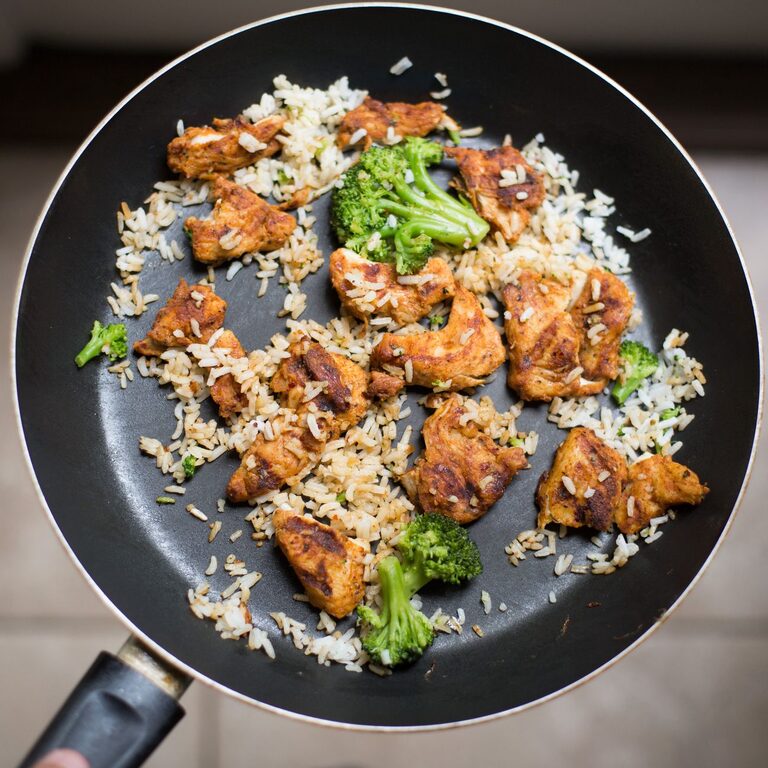
Cooking dinner can be rewarding, but the cleanup afterward is often the least enjoyable part of the evening. Plates, pans, cutting boards, and food scraps can quickly turn the kitchen into a second project. The good news is that a few simple habits can make cleanup faster and easier without adding much effort.
The key is to clean in small steps instead of waiting until everything is finished. With a little planning, you can reduce clutter, use fewer dishes, and finish the kitchen before you settle in for the night.
Start With a Quick Plan
Before you begin cooking, take a moment to think about the meal and the tools you will need. This can help prevent unnecessary dishes and make the cooking process more organized.
Choose recipes with cleanup in mind
Some meals naturally create more mess than others. When you want an easier evening, consider recipes that use:
– One skillet or pot
– A sheet pan
– A slow cooker
– A pressure cooker
– Simple bowls instead of several serving dishes
– Ingredients that do not require many preparation steps
One-pan meals are especially helpful because they keep most of the cooking in one dish. Roasted vegetables, baked pasta, skillet meals, and sheet-pan dinners can all reduce the number of items that need washing.
Gather everything first
Collect ingredients, utensils, and cookware before you start. This reduces the chance of opening several drawers and cabinets while cooking, which can create extra clutter.
It also helps to place a small bowl near your work area for food scraps, wrappers, and peels. Keeping waste in one place makes cleanup easier and keeps the counter more manageable.
Clean While You Cook
You do not need to wash every item immediately. Instead, look for short pauses when you can complete a quick task.
Use cooking time wisely
When food is simmering, baking, or roasting, use those minutes to:
– Put ingredients back in the pantry or refrigerator
– Wipe the counter
– Rinse measuring cups and spoons
– Load the dishwasher
– Wash a knife or cutting board
– Empty the scrap bowl
Even five minutes of small tasks can make a noticeable difference by the time dinner is ready.
Wash items when you are finished with them
If a mixing bowl or measuring cup is no longer needed, rinse it right away. Dried food is usually harder to remove than fresh residue, so a quick rinse can save time later.
For sticky ingredients, fill the item with warm water and let it soak while you continue cooking. This is particularly useful for bowls with batter, sauces, or melted cheese.
Keep one work area clear
Try to maintain a small section of counter space for preparing food. A clear work area gives you room to set down hot pans, organize ingredients, and finish tasks without moving piles of dishes.
If the counter begins to fill up, pause for a quick reset. Put away what you can and move dirty items to the sink or dishwasher.
Reduce the Number of Dishes
Using fewer dishes is one of the simplest ways to make cleanup easier. This does not mean every meal needs to be served from the cooking pan, but a little restraint can help.
Measure over the cooking bowl
When possible, measure ingredients directly over the bowl or pan you are already using. This can eliminate extra small bowls and cups.
For example, you may be able to add spices directly to a pot instead of placing each spice in a separate dish. For baking, combine dry ingredients in one bowl when the recipe allows it.
Serve from the cooking dish
If a meal can be served safely and neatly from the pan or pot, consider doing so. A skillet or Dutch oven can often go directly from the stove to the table.
For meals that need a serving dish, choose one larger bowl instead of several smaller containers. Place a serving spoon nearby so people can help themselves without creating additional dishes.
Use reusable liners carefully
Parchment paper or reusable baking mats can help keep sheet pans cleaner. They are useful for roasted vegetables, baked snacks, and other foods that may stick.
Use them according to the product instructions and make sure they are suitable for the cooking temperature. A liner should support your routine, not create more work.
Make the Sink and Dishwasher Work Better
A few small changes can improve the way dishes move through the kitchen.
Scrape before rinsing
Remove leftover food into the trash or compost container before placing dishes in the sink or dishwasher. Scraping helps prevent food from spreading and may reduce the need for heavy rinsing.
Avoid sending large amounts of food into the drain, where it can cause unpleasant odors or blockages.
Load the dishwasher as you go
If you have a dishwasher, place items inside it during cooking instead of leaving them on the counter. Be careful with sharp knives, delicate items, and anything that is not dishwasher-safe.
A simple loading routine can help:
- Scrape food from each item.
- Place dishes in their usual sections.
- Keep utensils together without overcrowding.
- Check that spray arms can move freely.
- Add larger cookware last, if it fits properly.
Run the dishwasher when it is full but not overcrowded. Overloading can prevent items from getting clean and may require another cycle.
Let cookware soak
For pots and pans with stuck-on food, add warm water and a small amount of dish soap. Let the cookware soak while you eat or finish other tasks.
Use the right sponge or brush for the surface. Avoid abrasive tools on cookware that can scratch easily, such as nonstick pans.
Create a Ten-Minute Closing Routine
A short, repeatable routine is often more effective than waiting for motivation. Set a timer for ten minutes and focus on the most visible tasks first.
A useful closing routine may include:
– Clearing the table
– Storing leftovers
– Loading or washing dishes
– Wiping counters and the stovetop
– Sweeping visible crumbs
– Taking out food scraps if needed
– Replacing towels or sponges
You may not finish every task in ten minutes, but the kitchen will be much closer to clean. The goal is progress, not perfection.
Store Leftovers Efficiently
Leftovers can create extra dishes when they are moved from one container to another. Use storage containers that match the amount of food you have so there is less empty space and fewer containers to wash later.
Choose containers that stack well and have secure lids. Labeling them with the date can make it easier to use older food first and prevent forgotten containers from collecting in the refrigerator.
If a pot or pan can safely hold the leftovers, cover it and refrigerate it according to food storage guidelines. Make sure the cookware and food are handled appropriately for safe storage.
Keep Helpful Cleaning Supplies Nearby
You are more likely to clean small messes when supplies are easy to reach. Keep everyday items in a convenient location, such as:
– Dish soap
– A soft sponge
– A dish brush
– Clean kitchen towels
– Counter cleaner
– A small brush for crumbs
– A container for food scraps
Replace damp or worn-out sponges and wash reusable towels regularly. Keeping supplies in good condition makes routine cleaning more pleasant and effective.
Make Cleanup a Shared Task
If you share your home with family or roommates, cleanup does not have to be one person’s responsibility. Divide tasks based on time, age, or preference.
One person might clear the table while another loads the dishwasher. Someone else can wipe the counters or sweep the floor. Even small contributions can shorten the total cleanup time.
For children, simple jobs such as carrying unbreakable dishes to the counter, sorting utensils, or wiping the table can help build useful habits.
Keep the Routine Simple
The best cleanup system is one you can follow on busy nights. You do not need special equipment or a complicated schedule. Start with one or two changes, such as washing tools during cooking or using a ten-minute closing routine.
Over time, these small habits can reduce clutter, limit the number of dishes, and make the end of dinner feel less demanding. A cleaner kitchen is easier to enjoy—and a simple routine can help you get there with less effort.