
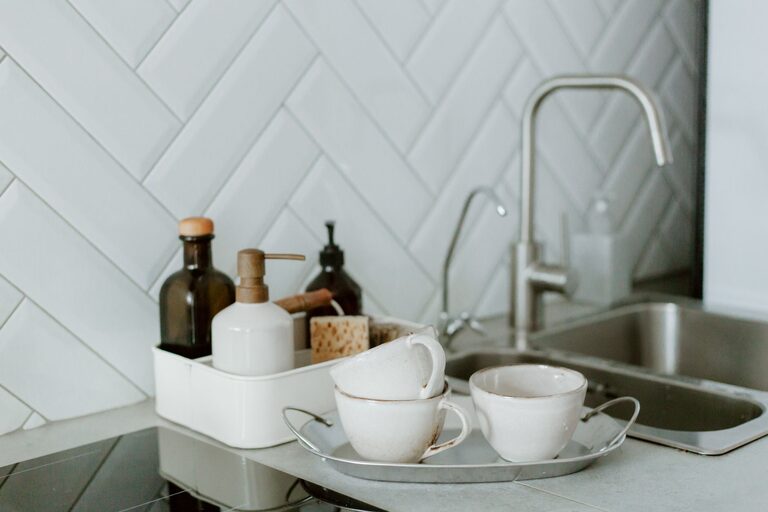
A clutter-free kitchen counter can make the entire room feel cleaner, calmer, and easier to use. When every item has a place, meal preparation becomes more enjoyable, cleaning takes less time, and you can make better use of your available workspace.
You do not need a large kitchen or expensive storage products to get started. A few thoughtful changes, combined with simple daily habits, can make a noticeable difference.
Start With a Fresh Surface
Before organizing your counters, remove everything from them. Place small appliances, dishes, mail, food packages, and other items on a nearby table or floor.
This gives you a clear view of the space and helps you decide what truly belongs on the counter.
As you sort, create three groups:
– Keep on the counter: Items you use every day or need quick access to
– Store elsewhere: Items that are useful but do not need to stay visible
– Remove: Items that are broken, expired, duplicated, or no longer useful
Clean the empty counter before putting anything back. Wipe away crumbs, grease, and dust, paying close attention to corners and areas around appliances.
Decide What Deserves Counter Space
Kitchen counters are valuable work areas, so they should not become permanent storage for everything you use. A helpful rule is to keep only items that meet at least one of these conditions:
– You use them daily
– They are too large or heavy to move often
– They contribute to the kitchen’s design
– They make cooking more convenient
For example, a coffee maker used every morning may deserve a permanent spot. A blender used once a week could be stored in a cabinet. Cookbooks, serving dishes, and specialty tools may also be better kept elsewhere.
If you are unsure about an item, place it in a cabinet for a week. If you miss it, bring it back. If you do not think about it, it probably does not need to stay on the counter.
Create Zones for Common Activities
Organizing your counters by activity can make the kitchen easier to use. Think about how you move through the room while cooking and assign specific areas for different tasks.
Coffee and Breakfast Zone
Keep frequently used coffee or tea supplies together. Depending on your space, this might include:
– Coffee maker or kettle
– Mugs
– Coffee, tea, or sweeteners
– Spoons
– A small container for filters
Use a tray to group these items. The tray keeps supplies contained and makes it easier to move everything when you need extra counter space.
Food Preparation Zone
Leave one section of the counter open for chopping, mixing, and assembling meals. Avoid filling this area with decorative items or appliances.
Store cutting boards, knives, and mixing bowls nearby so they are easy to reach without taking up the entire work surface.
Cooking Zone
Place cooking tools near the stove, but avoid overcrowding the area. A container for frequently used utensils can be helpful, while less-used tools can stay in a drawer or cabinet.
Keeping the cooking zone focused also makes it easier to wipe away spills and crumbs.
Make Better Use of Cabinets and Drawers
A cluttered counter often means the storage inside the kitchen is not being used efficiently. Look for ways to improve the space you already have.
Use shelf risers to create extra levels inside cabinets. Add drawer dividers for utensils, measuring tools, and small gadgets. A narrow pullout organizer can make use of the space beside a refrigerator or cabinet.
Consider storing items according to how often you use them:
– Keep everyday dishes at eye level
– Place weekly-use items on lower or higher shelves
– Store seasonal and specialty items in less accessible areas
– Group similar items together
Avoid packing cabinets so tightly that items are difficult to remove. If you have to move several things to reach one pan or appliance, you may be more likely to leave items on the counter.
Use Vertical and Wall Storage
When counter and cabinet space are limited, look upward. Vertical storage can keep useful items accessible without taking over your work surface.
Depending on your kitchen layout, consider:
– A wall-mounted rail for utensils
– Hooks for mugs or towels
– A magnetic strip for suitable kitchen tools
– A narrow shelf for spices
– A pegboard for lightweight equipment
Make sure wall storage is placed where it will not interfere with cooking, cleaning, or movement. Keep the arrangement simple so it looks organized rather than crowded.
Control Small Items
Small objects can create visual clutter quickly. Mail, receipts, keys, snacks, and loose kitchen tools often collect on counters because they do not have a clear home.
Create simple systems for these items. Place a small basket near the kitchen entrance for mail and keys. Use a container for reusable shopping bags. Keep a bowl or drawer for items that need to be moved to another room.
The goal is not to hide everything. It is to give common items a designated place so they do not spread across the counter.
Limit Decorative Items
Decor can make a kitchen feel welcoming, but too many decorative pieces reduce useful workspace. Choose a few items that add warmth without getting in the way.
A plant, fruit bowl, framed print, or attractive cutting board may be enough. Leave space between objects so the counter feels open.
Choose decorations that are easy to move and clean. Items with many small details or textured surfaces may collect dust and grease near cooking areas.
Store Appliances Thoughtfully
Small appliances are some of the biggest sources of counter clutter. Start by identifying which ones you use regularly and which ones can be stored.
For appliances that stay out, group them in one area when possible. Use a tray or appliance garage to create a more orderly look and contain cords.
Keep cords neat with simple reusable ties. Do not force heavy appliances into awkward cabinets if doing so could cause damage or make them unsafe to lift. Instead, choose a stable storage location that is easy to access.
Build a Five Minute Reset
A quick daily reset is one of the best ways to maintain a clutter-free counter. At the end of the day, take five minutes to:
- Put away ingredients and dishes
- Return appliances and tools to their assigned places
- Move mail and unrelated items
- Wipe the counter
- Check the sink and nearby surfaces
This small routine prevents clutter from building into a larger project. It can also make the kitchen feel ready for the next morning.
Use the One In, One Out Rule
When you bring a new kitchen item into your home, consider removing or donating one similar item. For example, if you buy a new food processor, review your older appliances and decide whether both are necessary.
This rule helps prevent storage areas from becoming overcrowded over time. It also encourages you to choose versatile, useful items instead of collecting duplicates.
Keep the System Flexible
Your kitchen should support the way you live. A family that cooks every day may need more tools within reach, while someone who rarely cooks may prefer mostly empty counters.
Review your setup after a few weeks. Notice which items are constantly left out, which cabinets are difficult to use, and which areas become cluttered first. Adjust the system rather than trying to follow a perfect organizational method.
The best kitchen organization is simple enough to maintain. By keeping only useful items visible, creating activity zones, improving storage, and practicing a short daily reset, you can enjoy counters that are cleaner, calmer, and ready for cooking.