
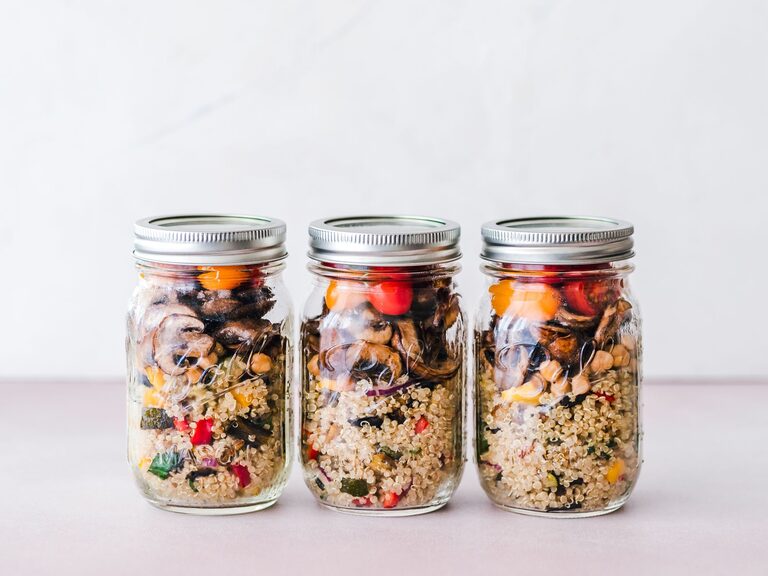
Food waste can happen in small ways: buying more than you need, forgetting what is in the refrigerator, or cooking portions that are too large. Over time, these habits can add up. The good news is that reducing food waste does not require major lifestyle changes. A few simple adjustments can help you use more of the food you buy, save money, and make everyday meal preparation easier.
1. Plan Meals Before You Shop
Meal planning is one of the most effective ways to avoid buying food you will not use. Before heading to the store, take a few minutes to think about the meals you expect to prepare during the week.
Consider:
- How many people you are feeding
- Which meals you will eat at home
- What ingredients you already have
- Whether any plans may change during the week
You do not need to plan every meal in detail. A simple outline, such as three dinners and a few lunch ideas, may be enough. Try to choose meals that share ingredients. For example, a bunch of spinach could be used in salads, sandwiches, pasta, or omelets.
2. Check Your Kitchen Before Shopping
A quick check of your refrigerator, freezer, and pantry can prevent duplicate purchases. Look for foods that need to be used soon and build your shopping list around them.
Keep an eye on items such as:
- Fresh produce that is becoming soft
- Dairy products approaching their use by date
- Open packages of grains, pasta, or canned goods
- Leftovers stored in the refrigerator
You may also want to organize food so older items are easy to see. Place newer groceries behind older ones, and keep foods that need to be used soon on a designated shelf.
3. Shop With a Realistic List
A shopping list helps you stay focused and avoid impulse purchases. Write down the amounts you need for each meal instead of listing only general items. For example, note “three apples” rather than simply “fruit.”
Shopping more often for smaller amounts may work better than making one large trip, especially if you have limited storage space or a changing schedule. If you buy in bulk, make sure you have a plan for using or storing everything before it loses quality.
It is also helpful to avoid shopping when you are very hungry. Hunger can make it easier to purchase more food than you can reasonably use.
4. Understand Food Date Labels
Food date labels can be confusing, and many people discard items that are still suitable to use. Read labels carefully and learn the difference between quality guidance and safety instructions.
A date that suggests peak quality often refers to freshness rather than an immediate need to discard the food. However, foods that show signs of spoilage, such as an unusual smell, mold, or a damaged package, should not be used.
When you bring groceries home, place foods with earlier dates where they are easiest to notice. This simple habit can help you remember to use them first.
5. Store Food Properly
Proper storage can help food stay fresh longer. Different foods need different conditions, so use storage methods that match the item.
Helpful habits include:
- Keep herbs in a container with a small amount of water or wrapped in a damp towel.
- Store bread in a suitable container and freeze extra portions if you will not use them soon.
- Keep dry goods in sealed containers away from heat and moisture.
- Use refrigerator drawers for produce that benefits from extra humidity.
- Let hot food cool appropriately before storing it in the refrigerator.
Clear containers can make leftovers easier to see. Labeling containers with the name and date can also help you avoid forgetting what is inside.
6. Use Your Freezer More Often
The freezer is useful for preserving food that you cannot eat right away. Freeze bread, cooked grains, extra portions of meals, chopped fruit, and many vegetables.
For the best results:
- Freeze food in portions that match your usual needs.
- Remove excess air from freezer bags or use airtight containers.
- Label packages with the contents and freezing date.
- Keep an inventory so frozen food does not become difficult to find.
Freezing food before it begins to spoil is more effective than waiting until it is already past its best quality. Set aside a regular day to review your freezer and plan meals around what you find.
7. Make Leftovers More Appealing
Leftovers are less likely to be wasted when they feel like a planned meal rather than an afterthought. Store them in convenient portions and give them a new purpose.
For example:
- Turn roasted vegetables into a soup, wrap, or grain bowl.
- Add cooked chicken or beans to a salad, taco, or pasta dish.
- Use extra rice in fried rice, stuffed vegetables, or a rice bowl.
- Combine small amounts of vegetables in an omelet, frittata, or stir fry.
You can also prepare a “leftover night” once a week. Set out available foods and let everyone choose a combination. This clears space in the refrigerator and reduces the chance that meals will be forgotten.
8. Serve Reasonable Portions
Serving too much food can lead to waste, especially when appetites vary. Start with smaller portions and allow people to take more if they are still hungry.
For gatherings, offer food in stages when possible instead of putting everything out at once. Keep extra food chilled or covered until it is needed. This can help maintain quality and make it easier to save uneaten portions.
If food remains on plates, consider whether portion sizes, meal preferences, or preparation methods need to change. Small adjustments can make a noticeable difference over time.
9. Use More of Each Ingredient
Many parts of fruits and vegetables can be used in creative ways. Vegetable stems can add flavor to soups or stocks, while ripe fruit can be blended into smoothies or baked into simple desserts.
Try these ideas:
- Use citrus zest to flavor baked goods, dressings, or marinades.
- Add soft tomatoes to sauces or soups.
- Turn stale bread into breadcrumbs or croutons.
- Use vegetable scraps to make a homemade stock, when appropriate.
- Blend very ripe bananas into smoothies or quick breads.
Always inspect food carefully before using it. Remove damaged sections and discard anything that appears spoiled.
10. Track What You Throw Away
For one week, keep a simple note of food that ends up in the trash or compost. Record what it was and why it was discarded. You may notice patterns, such as buying too much produce, preparing oversized meals, or forgetting items in a drawer.
Use this information to adjust your habits. If salad greens regularly go unused, buy a smaller amount or plan more meals around them. If leftovers are often ignored, prepare smaller batches or freeze extra portions.
11. Compost What You Cannot Use
Even with careful planning, some food scraps are unavoidable. Composting can keep suitable organic material out of the trash and turn it into a useful soil amendment.
Check your local composting guidelines before getting started, since accepted materials vary. Some communities offer curbside collection, while others have drop-off locations or home composting options.
Reducing food waste should come before composting whenever possible. Using the food you already bought is usually the best way to make the most of its resources.
Make Waste Reduction a Simple Routine
The most effective approach is to build a few repeatable habits. Plan before shopping, store food where you can see it, use leftovers creatively, and review your kitchen regularly. You do not have to change everything at once.
Choose one or two ideas to try this week. As these habits become easier, add others that fit your schedule and household. Small, consistent changes can help you waste less food while making meals more organized and economical.