
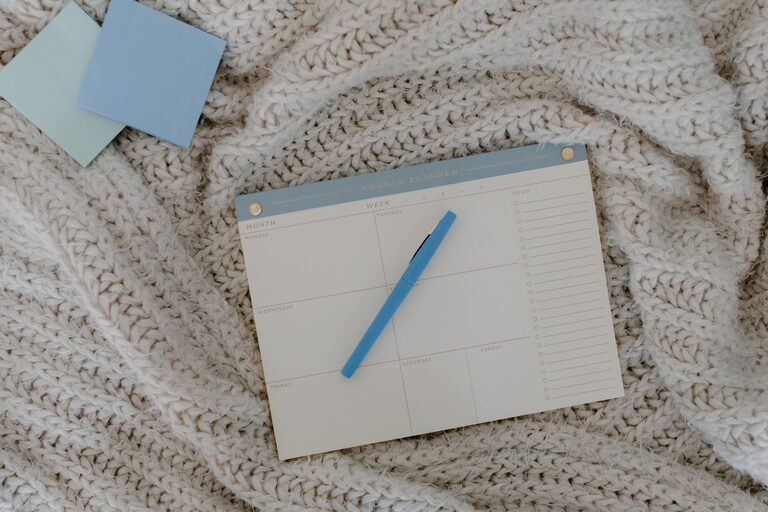
A weekend is meant to help you recharge, but it can easily become just as busy as the workweek. Errands, social plans, household tasks, and unfinished projects can quickly fill every hour. By Sunday evening, you may feel like you need another weekend to recover.
Planning a no-stress weekend does not mean scheduling every minute. It means choosing what matters, leaving room to breathe, and setting yourself up for a smoother return to the week ahead. With a few simple habits, you can create weekends that feel restful, enjoyable, and manageable.
Start With a Simple Weekend Goal
Before making plans, decide how you want to feel by the end of the weekend. Your goal might be to feel rested, connected, organized, creative, or simply less rushed.
A clear goal helps you avoid filling your time with activities that do not support what you need. For example, if you want to rest, a packed schedule of social events may leave you feeling drained. If you want to connect with others, spending the entire weekend alone may not feel satisfying.
Try completing this sentence:
“This weekend, I want to feel…”
Keep your answer short and use it to guide your choices.
Choose Your Priorities
A relaxed weekend usually has a few priorities, not a long list of demands. Select one or two important activities from each of these areas:
– Rest
– Responsibilities
– Enjoyment
– Connection
– Preparation for the week ahead
You do not need to include every category. The purpose is to create balance without creating pressure.
For example, your weekend priorities might be:
– Sleep a little later on Saturday
– Finish one household task
– Visit a friend
– Spend an hour outdoors
– Prepare a few items for Monday
Once you have chosen your priorities, treat the rest as optional. This prevents small tasks from taking over the entire weekend.
Plan Only the Fixed Commitments
Begin with the activities that have a set time, such as appointments, family events, classes, or travel. Add these to your calendar first. Then look at the remaining time before deciding what else to do.
This approach shows you how much free time you actually have. It also makes it easier to spot an overbooked weekend before it begins.
When reviewing your schedule, ask:
– How much travel time will I need?
– When will I eat?
– Where can I take a break?
– Am I planning enough time between activities?
– Do I have at least one period with no obligations?
Avoid scheduling events back to back whenever possible. Even a 30-minute buffer can make the day feel calmer.
Use a Short Task List
Household chores and errands are easier to manage when they have clear limits. Instead of writing down everything that could be done, choose a small number of tasks that will make the biggest difference.
A useful weekend task list might include:
- One essential errand
- One cleaning task
- One preparation task for the coming week
For example, you might buy groceries, clean the kitchen, and prepare your work bag. If you finish these tasks, the weekend has already been productive enough.
Group similar errands together to save time. If you need to visit several places in the same area, complete them in one trip. You can also set a time limit for chores, such as 30 or 45 minutes. When the time is up, stop or take a break.
Protect Time for Rest
Rest is not something you should only do after everything else is finished. If you wait until your list is complete, you may never make time for it.
Schedule rest in a practical way. This could mean:
– Reading for 20 minutes
– Taking a quiet walk
– Listening to music
– Enjoying coffee without checking your phone
– Taking a short nap
– Sitting outside
– Watching a favorite show
Rest does not have to be completely unplanned. Giving it a place in your schedule makes it more likely to happen.
Also, remember that rest can look different from one weekend to the next. You may need a quiet day after a busy week, while another weekend may call for movement and social time.
Make Plans That Are Easy to Enjoy
When choosing activities, consider the effort required as well as the enjoyment they provide. A plan may sound fun but become stressful if it involves long travel, complicated preparation, or a crowded schedule.
Low-effort activities can still feel special. Consider:
– Cooking a simple meal with someone
– Visiting a nearby park
– Trying a new cafe
– Borrowing a book from the library
– Having a game night
– Exploring a local neighborhood
– Starting a small creative project
Choose activities that match your available energy. If you are already tired, a nearby plan may be better than an ambitious day trip. The goal is to enjoy your time, not prove how much you can fit into it.
Leave Space for the Unexpected
A completely full weekend leaves no room for delays, changes, or spontaneous opportunities. Open space is one of the most useful parts of a relaxed schedule.
Try leaving at least one block of time unplanned. You can use it for an activity that comes up naturally, extra rest, or tasks that take longer than expected.
When plans change, avoid treating the change as a failure. A flexible schedule makes it easier to adjust without losing the entire day.
You can also create a short list of backup activities for open time:
– Go for a walk
– Call a friend
– Organize a drawer
– Visit a local market
– Work on a hobby
– Do nothing for a while
Having options is helpful, but you do not have to choose one immediately.
Prepare for Monday Without Taking Over Sunday
A small amount of preparation can make Monday feel easier, but it should not dominate your weekend. Set aside 20 to 30 minutes for a simple reset.
You might:
– Check your calendar
– Choose an outfit
– Prepare lunch ingredients
– Tidy your workspace
– Review your top three tasks
– Charge your devices
– Put important items near the door
Focus on reducing small decisions, not planning every detail of the week. A short reset is usually enough to create a smoother start.
Consider doing this earlier on Sunday rather than late at night. That way, your evening can remain calm and you can begin winding down before bedtime.
Set Boundaries Around Your Time
A no-stress weekend often requires saying no to plans that do not fit your energy or priorities. You do not need to accept every invitation or complete every request immediately.
A polite response can be simple:
“Thanks for inviting me. I am keeping this weekend quiet, but I hope you have a great time.”
You can also suggest another day if you want to maintain the connection. Clear boundaries help protect your free time without requiring a long explanation.
If digital distractions make it difficult to relax, set a few simple limits. You might keep your phone away during meals, turn off nonessential notifications, or choose specific times to check messages.
End the Weekend With a Gentle Routine
The final part of the weekend can shape how you feel about Monday. Create a short evening routine that helps you shift from leisure to rest.
This might include:
– A light meal
– A quick tidy-up
– A shower or relaxing activity
– Preparing items for the morning
– Writing down anything you need to remember
– Going to bed at a reasonable time
Keep the routine simple and repeatable. You are not trying to create a perfect Sunday night. You are creating a calm transition into the week.
A no-stress weekend is not about doing nothing or following a strict plan. It is about making thoughtful choices, leaving room for rest, and avoiding unnecessary pressure. Start with a few priorities, protect open time, and prepare just enough for Monday. Over time, these small habits can help your weekends feel more restorative and enjoyable.