
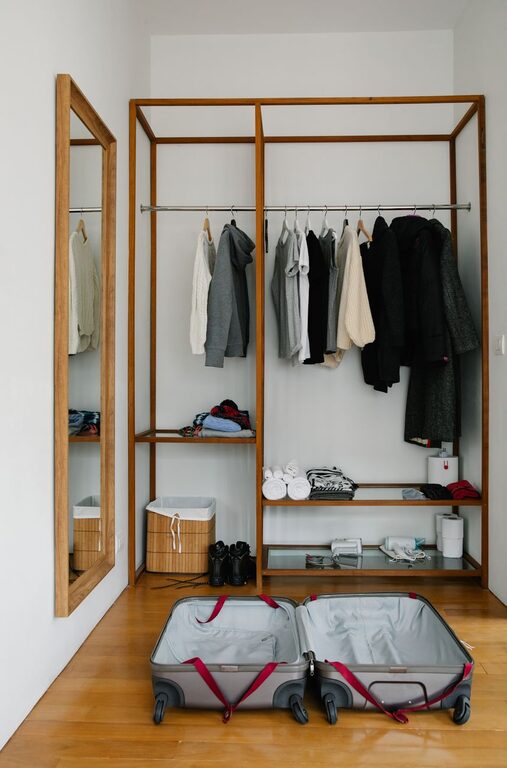
A capsule wardrobe is a small collection of clothing that can be mixed and matched to create a variety of outfits. The goal is not to own as few items as possible or follow strict fashion rules. Instead, it is about choosing useful pieces that fit your lifestyle, personal taste, and daily routine.
Building a capsule wardrobe can make getting dressed easier, reduce clutter, and help you make more thoughtful clothing purchases. With a little planning, you can create a practical wardrobe that feels flexible without being overwhelming.
What Is a Capsule Wardrobe?
A capsule wardrobe usually includes a limited selection of tops, bottoms, layers, shoes, and accessories. Most pieces coordinate with one another, allowing you to create several outfits from a relatively small number of items.
There is no universal number of pieces for a capsule wardrobe. Some people may feel comfortable with 20 items, while others may need 40 or more. The right size depends on factors such as:
– Your work and lifestyle
– The local climate
– How often you do laundry
– Your personal style
– Special activities or dress codes
– Your budget and shopping habits
A capsule wardrobe should support your life rather than make it more difficult.
Step 1: Review Your Current Wardrobe
Before buying anything new, look at what you already own. Set aside enough time to review your clothing without rushing.
Create four groups:
– Keep and wear often
– Keep but repair or alter
– Store for another season
– Donate, recycle, or pass along
Pay attention to the pieces you reach for most. These items can reveal your preferred colors, fits, fabrics, and levels of comfort. Also notice what remains unworn. There may be a clear reason, such as an uncomfortable fit, difficult care instructions, or a color that does not work with the rest of your wardrobe.
Try on anything you are unsure about. Clothing should be comfortable, in good condition, and suitable for your current lifestyle. Avoid keeping items only because they were expensive or worked well in the past.
Step 2: Define Your Lifestyle Needs
A useful capsule wardrobe begins with an honest look at your routine. Consider where you spend most of your time and what types of clothing you actually need.
For example, your wardrobe may need to support:
– Casual everyday activities
– Office or work outfits
– Exercise and outdoor activities
– Social events
– Travel
– Seasonal weather changes
If you work from home most days, you may need more comfortable casual clothing than formal pieces. If your workplace has a dress code, you may need a larger selection of polished separates. If you regularly attend events, include a few items that can be dressed up with shoes or accessories.
Write down the types of outfits you need during a normal week. This simple list can help you avoid building a wardrobe based on an imagined lifestyle.
Step 3: Choose a Simple Color Palette
A coordinated color palette makes mixing and matching easier. Start with two or three neutral colors, such as:
– Black
– Navy
– Gray
– White
– Cream
– Brown
– Beige
– Olive
Then choose one or two accent colors that you enjoy wearing. These might be soft blue, burgundy, green, or another color that complements your existing clothing.
Your palette does not need to be strict. Patterns and brighter colors can work well in a capsule wardrobe when they connect with the rest of your pieces. For example, a patterned shirt may include one of your neutral colors, making it easier to wear with several bottoms.
Step 4: Select Reliable Basics
Basics form the foundation of a capsule wardrobe. They are usually simple, comfortable pieces that can be worn in multiple ways.
Depending on your needs, useful basics may include:
– A few well-fitting T-shirts
– One or two long-sleeved tops
– A button-down shirt or blouse
– A sweater or cardigan
– A versatile jacket
– Jeans or another everyday pair of pants
– A second pair of pants in a different color or fabric
– A casual skirt or dress
– Comfortable everyday shoes
– A slightly dressier pair of shoes
Choose items based on how often you expect to wear them. A basic does not have to be plain or inexpensive. It simply needs to work well with your wardrobe and suit your lifestyle.
Step 5: Add Layers for Flexibility
Layers can make a small wardrobe feel much larger. A lightweight jacket, cardigan, overshirt, or sweater can change the appearance of an outfit while helping you adjust to different temperatures.
When choosing layers, consider whether they work over several tops and with multiple bottoms. A neutral jacket may be more useful than a highly specific piece that only matches one outfit.
Think about your local weather, too. Lightweight layers may be best for mild climates, while warmer clothing and weather-resistant outerwear may be more important in colder or wetter areas.
Step 6: Check Fit, Comfort, and Fabric
A capsule wardrobe should be easy to wear. Even attractive clothing will not be useful if it pinches, rides up, needs constant adjustment, or requires care that does not fit your routine.
When evaluating an item, ask:
– Can I move comfortably in it?
– Does it fit my current body?
– Can I wear it for several hours?
– Does it work with at least three other pieces?
– Is the fabric suitable for the weather?
– Will I realistically care for it as needed?
Look for clothing that feels good and holds its shape. You do not need to choose only one type of fabric, but understanding how each item should be washed and stored can help you make practical choices.
Step 7: Build Outfit Formulas
An outfit formula is a simple combination of clothing that you know works. Formulas reduce decision-making and make it easier to use your wardrobe consistently.
Examples include:
– T-shirt, jeans, cardigan, and sneakers
– Button-down shirt, trousers, and loafers
– Sweater, skirt, tights, and ankle boots
– Simple dress, jacket, and flats
– T-shirt, wide-leg pants, and casual jacket
Try on different combinations and take notes or photos of the outfits you like. You may discover that a small number of formulas cover most of your daily needs.
Step 8: Use Accessories to Create Variety
Accessories can change the look of basic clothing without taking up much space. Consider adding a few practical options, such as:
– A belt
– A scarf
– A simple watch
– Small or statement jewelry
– A crossbody bag
– A tote bag
– A hat
– A versatile pair of sunglasses
Choose accessories that suit your style and daily activities. You do not need a large collection. A few well-used pieces are usually more valuable than items that remain in storage.
Step 9: Shop With a Clear Plan
Once you understand what you own and what is missing, create a short shopping list. Prioritize gaps that prevent you from making complete outfits.
Before purchasing something, ask:
– Does it match my color palette?
– Can I wear it in at least three ways?
– Is it suitable for my lifestyle?
– Do I already own something similar?
– Will I still want to wear it next season?
– Is the fit and care routine practical?
Avoid buying several items at once simply to complete the wardrobe quickly. Adding pieces gradually gives you time to learn what you truly use.
Maintain and Adjust Your Capsule Wardrobe
A capsule wardrobe is not a one-time project. Review it as your schedule, climate, preferences, and clothing needs change.
At the beginning of each season, check for worn-out items, missing essentials, and pieces that no longer suit your routine. Repair clothing when possible, and store seasonal items clean and dry.
Most importantly, allow your wardrobe to evolve. The purpose of a capsule wardrobe is to make dressing simpler and more enjoyable. Choose clothing that supports your everyday life, feels comfortable, and gives you enough variety to express your personal style.