
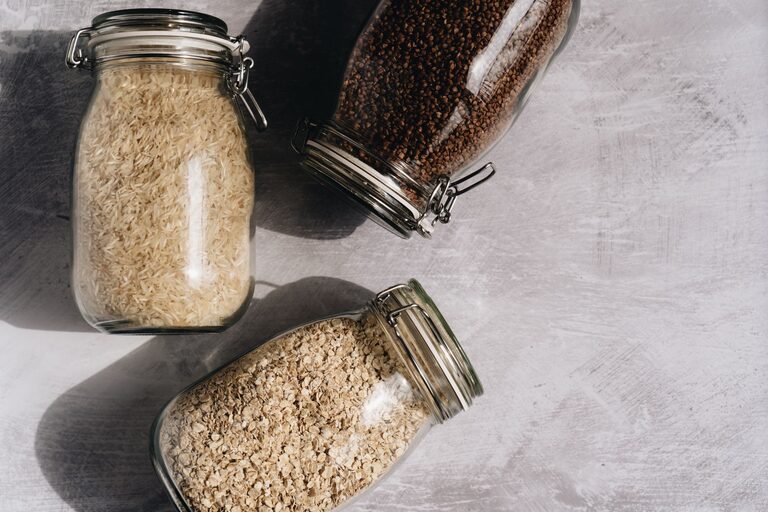
Planning meals from pantry staples is a practical way to make cooking easier, reduce food waste, and avoid unnecessary grocery trips. Instead of starting with a specific recipe, you begin with what you already have and build meals around those ingredients.
A well-planned pantry does not need to be large or expensive. A few versatile staples, combined with fresh or frozen ingredients, can become soups, casseroles, grain bowls, pasta dishes, and more. The key is to organize what you have, understand how ingredients work together, and plan meals that share components.
Start With a Pantry Inventory
Before planning meals, take a quick inventory of your kitchen. Check the pantry, refrigerator, freezer, and any other areas where food is stored.
Group ingredients into simple categories:
– Grains: rice, pasta, oats, quinoa, and couscous
– Canned foods: beans, tomatoes, corn, vegetables, and tuna
– Dry goods: lentils, dried beans, flour, and breadcrumbs
– Cooking basics: oil, vinegar, broth, and spices
– Refrigerated items: eggs, cheese, yogurt, and fresh vegetables
– Frozen foods: vegetables, fruit, meat, and prepared ingredients
Write down items that should be used soon. This might include an open package of pasta, a half-full container of broth, or vegetables that are beginning to soften. Using these ingredients first can help prevent waste.
You do not need to record every item in detail. A short list on your phone, a note on the refrigerator, or a simple pantry checklist is enough.
Choose a Few Flexible Staples
The best pantry staples can be used in several different types of meals. Look for ingredients that combine easily with different flavors and cooking methods.
Useful options include:
– Rice, pasta, and other grains
– Canned beans and lentils
– Canned tomatoes
– Shelf-stable broth
– Peanut or other nut butter
– Canned fish or chicken
– Flour and cornmeal
– Oats
– Dried herbs and spices
– Onions and garlic, when available
These foods can serve different purposes. Rice can become a side dish, fried rice, soup ingredient, or grain bowl base. Canned tomatoes can form the foundation of pasta sauce, soup, stew, or shakshuka-style dishes. Beans can add substance to salads, tacos, chili, and casseroles.
When choosing staples, consider what your household already enjoys eating. A small pantry filled with familiar foods is more useful than a large collection of ingredients you rarely use.
Use a Simple Meal Formula
A meal formula helps you create dishes without following a recipe exactly. One easy method is:
Base + protein + vegetables + flavor
For example:
– Rice + beans + frozen corn + salsa
– Pasta + canned tuna + peas + lemon and herbs
– Potatoes + eggs + spinach + cheese
– Oats + yogurt + fruit + nuts
The base provides energy and texture, while protein makes the meal more satisfying. Vegetables add color, flavor, and variety. A flavorful sauce, seasoning blend, or topping brings everything together.
You can also use the formula of soup, bowl, skillet, or bake. These formats work well with many pantry combinations:
– Soup: broth, canned tomatoes, beans, grains, and vegetables
– Bowl: rice or grains, protein, vegetables, and sauce
– Skillet: cooked grains, vegetables, eggs, meat, or beans
– Bake: pasta or potatoes, vegetables, protein, and a creamy or tomato-based sauce
Plan Meals Around Shared Ingredients
One of the easiest ways to simplify meal planning is to use the same ingredients in more than one meal. This reduces preparation time and helps you use packages completely.
For example, you could plan:
– Monday: rice and black bean bowls
– Tuesday: tomato and lentil soup
– Wednesday: vegetable fried rice
– Thursday: pasta with white beans and tomatoes
– Friday: baked potatoes with leftover toppings
Cook a larger batch of rice early in the week and use it for bowls and fried rice. A pot of beans can be served in tacos, added to soup, or mixed into a salad. Roasted vegetables can become a side dish, sandwich filling, or pasta topping.
Shared ingredients do not mean every meal has to taste the same. Change the seasonings, sauces, and presentation to create variety.
Build a Flavor Toolkit
Seasonings can make the same basic ingredients feel completely different. Keep a small selection of versatile flavors on hand.
Helpful pantry flavorings include:
– Garlic and onion powder
– Black pepper
– Paprika
– Chili powder
– Italian seasoning
– Curry powder
– Soy sauce
– Vinegar
– Mustard
– Salsa
– Hot sauce
– Canned coconut milk
– Bouillon or broth concentrate
For a Mediterranean-style meal, combine beans, tomatoes, garlic, herbs, and olive oil. For a Tex-Mex-inspired dish, use beans, corn, rice, chili powder, salsa, and lime. For a simple stir-fry, combine rice or noodles with vegetables, soy sauce, and a protein.
Taste as you cook and adjust gradually. A small amount of salt, acid, or spice can make a large difference.
Add Fresh and Frozen Ingredients Strategically
Pantry meals are more enjoyable when balanced with fresh or frozen foods. You do not need to buy a large amount of produce. Choose a few items that can be used in several meals.
Versatile choices include:
– Carrots
– Cabbage
– Onions
– Celery
– Potatoes
– Apples
– Bananas
– Lemons
– Frozen peas
– Frozen spinach
– Frozen mixed vegetables
Frozen vegetables are especially useful because they require little preparation and last for a long time. Fresh cabbage, carrots, and onions can also stay usable for several meals.
When grocery shopping, focus on filling gaps in your pantry rather than buying ingredients for many unrelated recipes. You may only need eggs, fresh greens, cheese, or a few vegetables to turn pantry staples into complete meals.
Create a Weekly Planning Routine
A short weekly routine can keep pantry meal planning manageable.
1. Check What You Have
Look for ingredients that are open, nearing their best quality, or taking up space.
2. Pick Three Main Meals
Choose three meals that use different combinations of your staples. Leave room for leftovers, simple meals, or changes in plans.
3. Plan for Leftovers
Cook enough for another meal when practical. Leftovers can become lunches or be transformed into a new dish with different toppings and seasonings.
4. Write a Short Shopping List
Buy only the fresh, frozen, or refrigerated foods needed to complete your plan. Include a few flexible items rather than highly specific ingredients.
5. Prepare One or Two Components
Cook rice, wash vegetables, mix a sauce, or prepare a pot of beans. Small preparations can make weeknight cooking much faster.
Keep a Backup Meal List
Even the best plan may change. Keep a list of quick meals that can be made with ingredients you usually have available.
Ideas include:
– Pasta with canned tomatoes and beans
– Rice with eggs and frozen vegetables
– Bean and cheese quesadillas
– Lentil soup
– Tuna or chickpea salad
– Baked potatoes with leftover toppings
– Oatmeal with fruit and nut butter
A backup list prevents the need to start from scratch when you are tired or short on time.
Store Food for Easy Access
Organization makes pantry planning more effective. Keep frequently used items where they are easy to see. Place newer items behind older ones so you use older packages first.
Use clear containers or labeled shelves for foods such as rice, pasta, beans, and baking supplies. Group similar ingredients together, and keep a small section for foods that should be used soon.
Meal planning from pantry staples is less about following strict rules and more about making flexible choices. With a basic inventory, a few versatile ingredients, and simple meal formulas, you can create satisfying meals while saving time and reducing waste.