
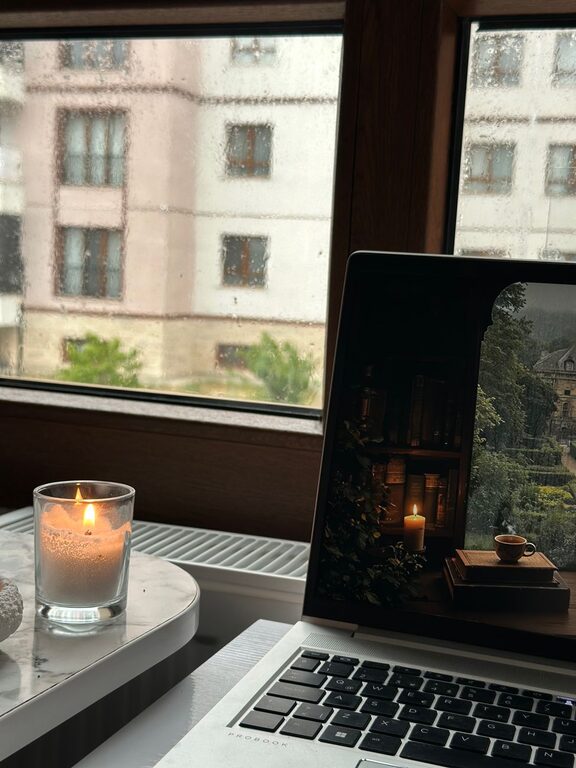
A home workspace should help you feel comfortable, focused, and ready for the day. It does not need to be large or expensive. With a few thoughtful changes, even a small corner can become a peaceful place to work, study, or manage daily tasks.
The goal is to create a space that feels organized without feeling rigid. A relaxing workspace combines practical furniture with calming colors, useful storage, pleasant lighting, and a few personal details. Here is how to create one that supports both productivity and peace of mind.
Choose the Right Location
Start by deciding where your workspace will be located. If you have a separate room, you have more flexibility. However, a quiet corner of a bedroom, living room, dining area, or hallway can work just as well.
Look for a location with:
– Enough room for your desk and chair
– Access to natural light, if possible
– Minimal foot traffic
– A nearby power outlet
– A comfortable distance from distractions such as the television
If your home is busy, consider using a corner that can be visually separated with a bookcase, folding screen, curtain, or plant. Creating a clear boundary can help you switch into work mode while keeping the rest of the room feeling open.
Select a Comfortable Desk and Chair
Comfort is one of the most important parts of a relaxing workspace. A desk should provide enough room for your computer, notebook, water bottle, and any tools you use regularly. It should not be so large that it overwhelms the room.
When choosing a chair, look for support rather than appearance alone. A comfortable chair should allow you to sit with your feet resting on the floor and your shoulders relaxed. Your elbows should be able to rest comfortably near desk height.
You can improve comfort by adding:
– A small cushion for extra support
– A footrest or sturdy box
– A soft throw for cooler days
– A seat pad made from breathable material
Try to avoid working from a sofa or bed for long periods. These areas may feel comfortable at first, but they often make it harder to maintain a supportive sitting position and a clear separation between work and rest.
Use Calming Lighting
Lighting can change the entire mood of a workspace. Natural light is often the most pleasant option, so place your desk near a window if possible. Position the desk so that sunlight does not create glare on your screen.
If your workspace is not near a window, use layers of light. A desk lamp can provide focused light, while a floor lamp or ceiling light can brighten the rest of the room. Choose bulbs with a soft, comfortable glow rather than very harsh light.
A good lighting setup may include:
– Natural daylight during the morning and afternoon
– An adjustable desk lamp for close tasks
– Soft ambient lighting for darker hours
– A small accent lamp to create a warm atmosphere
Keep your screen brightness balanced with the room. A screen that is much brighter or darker than its surroundings can make the space feel less comfortable.
Keep the Color Palette Simple
Color has a strong effect on how a room feels. Soft neutrals, warm whites, muted greens, pale blues, and gentle earth tones can create a calm background. You do not need to repaint the entire room. Small changes, such as a desk mat, wall art, or fabric accessories, can make a noticeable difference.
Try choosing two or three main colors and repeating them throughout the space. A simple palette can make the area feel more organized and less visually busy.
If you enjoy brighter colors, use them in small doses. A colorful notebook, plant pot, or piece of artwork can add energy without making the workspace feel overwhelming.
Reduce Clutter with Simple Storage
Clutter can make it harder to relax and concentrate. Instead of trying to keep everything out of sight, focus on giving each item a clear home.
Use storage that matches the size of your workspace, such as:
– A small drawer unit
– Open shelves
– File boxes
– Desk trays
– Wall hooks
– Cable holders
– Baskets for larger items
Keep the items you use every day within easy reach. Store less frequently used supplies in drawers, cabinets, or labeled boxes. This approach keeps the desktop clear while ensuring that important items are easy to find.
At the end of each work session, take a few minutes to return supplies to their proper places. A quick reset can make the next day feel more inviting.
Manage Cables and Technology
Technology is useful, but tangled cords can make a workspace look untidy. Gather cables with reusable ties or clips, and guide them along the back or underside of the desk. A cable box can hide extra length and keep power strips contained.
Place your monitor or laptop at a comfortable height. If your screen is too low, a stable stand or stack of sturdy books may help. Keep your keyboard and mouse close enough that your shoulders can remain relaxed.
Try to limit unnecessary devices on the desk. Keeping only the technology you need can make the space feel quieter and more intentional.
Add Natural Elements
Plants, wood, woven materials, and natural textures can make a workspace feel warmer. A small plant on a shelf or desk can add color and softness. If your space has limited natural light, choose a low-maintenance plant or use a simple artificial option.
Other natural touches include:
– A wooden pencil holder
– A woven basket
– A stone or ceramic tray
– A cotton desk mat
– A small vase with dried flowers
These details should support the room rather than create more clutter. Choose a few pieces that you genuinely enjoy looking at.
Personalize the Space Carefully
A relaxing workspace should feel like yours. Add items that create a positive atmosphere, such as a favorite print, a framed photograph, a meaningful object, or a small collection of books.
Be selective with decorations. Too many items can compete for your attention. A useful rule is to keep the most visible area reserved for a few pieces that make you feel calm or inspired.
You can also create a small inspiration board with notes, photographs, or simple reminders. Keep the design clean so it feels encouraging rather than distracting.
Create a Calm Work Routine
The environment is only part of a relaxing workspace. Your habits matter too. Begin the day by clearing the desk, opening the curtains, and preparing the items you need. At the end of the day, close open tabs, put away supplies, and turn off unnecessary equipment.
Short breaks can also help the room feel like a place of steady progress rather than constant pressure. Stand up, stretch, refill your water, or look away from the screen for a few moments.
If possible, avoid using the workspace for every activity. Keeping meals, entertainment, and rest in other areas can help your mind associate the desk with focused work.
Make Small Changes Over Time
You do not need to redesign the entire workspace at once. Begin with the changes that will make the biggest difference, such as improving the chair, clearing the desk, or adding a better lamp.
After using the space for a few days, notice what feels uncomfortable or distracting. You may discover that the monitor needs to move, a storage box is in the wrong place, or the lighting needs adjustment.
A relaxing home workspace is created through small, practical improvements. With comfortable furniture, simple organization, gentle lighting, and personal touches, you can build a space that feels calm, welcoming, and ready for whatever your day brings.